
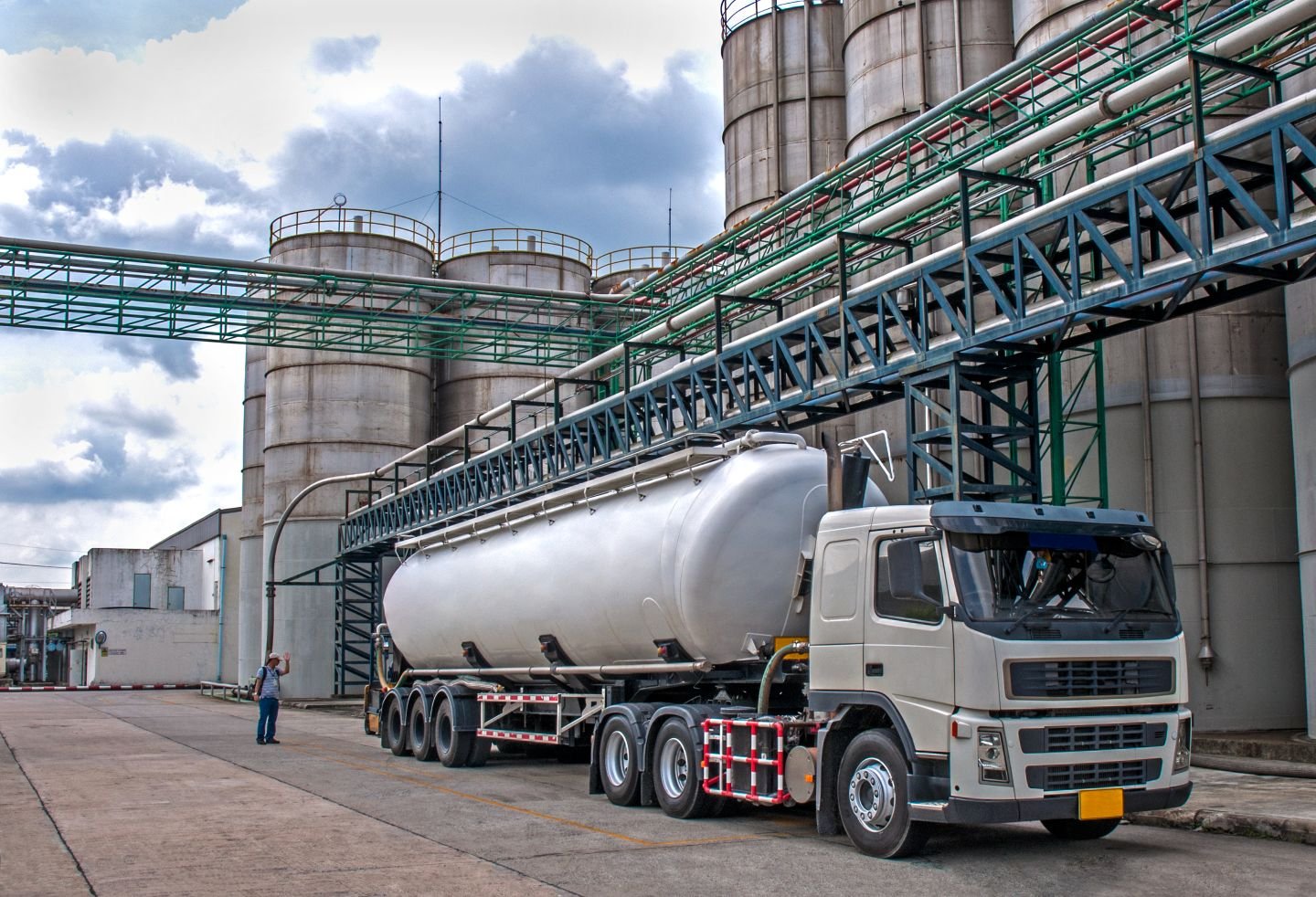
ADR 1.3 training refers to the specialized training programs designed to educate individuals about the transport of dangerous goods by road, specifically in compliance with the European Agreement concerning the International Carriage of Dangerous Goods by Road (ADR). This training is crucial for ensuring that those involved in the transportation of hazardous materials are well-versed in safety protocols, legal requirements, and emergency response procedures. The importance of ADR 1.3 training cannot be overstated, as it directly impacts public safety, environmental protection, and the overall efficiency of logistics operations.
The training equips participants with the knowledge necessary to handle dangerous goods safely and responsibly. It covers a wide range of topics, including classification of hazardous materials, labeling and packaging requirements, and the responsibilities of carriers and consignors. By understanding these elements, individuals can significantly reduce the risk of accidents and incidents during transportation.
Furthermore, compliance with ADR regulations is not only a legal obligation but also a moral responsibility to ensure the safety of all road users and the environment.
Flexible ADR 1.3 training offers numerous advantages that cater to the diverse needs of individuals and organizations involved in the transport of dangerous goods. One of the primary benefits is the ability to tailor training programs to fit specific schedules and learning preferences. This flexibility allows participants to engage in training at their own pace, making it easier for busy professionals to balance their work commitments with their educational needs.
As a result, organizations can ensure that their employees are adequately trained without disrupting daily operations. Moreover, flexible training options often incorporate various learning modalities, such as online courses, in-person workshops, and blended learning approaches. This variety not only enhances engagement but also accommodates different learning styles.
For instance, visual learners may benefit from interactive online modules, while kinesthetic learners might prefer hands-on workshops. By providing multiple avenues for learning, flexible ADR 1.3 training can lead to better retention of information and a more comprehensive understanding of the subject matter.
Flexible ADR 1.3 training typically operates through a combination of online platforms and traditional classroom settings, allowing participants to choose the format that best suits their needs. Online courses often feature multimedia content, including videos, quizzes, and interactive scenarios that simulate real-life situations involving dangerous goods transportation. This approach not only makes learning more engaging but also allows participants to revisit materials as needed, reinforcing their understanding of complex topics.
In addition to online resources, many training providers offer in-person sessions that focus on practical applications of the knowledge gained through online modules. These sessions may include hands-on demonstrations of proper handling techniques, emergency response drills, and group discussions that encourage collaboration among participants. By integrating both online and face-to-face learning experiences, flexible ADR 1.3 training ensures that individuals are well-prepared to apply their knowledge in real-world situations. You can find comprehensive information and enroll in an ADR course to ensure safe and compliant road transport of dangerous goods.
Key Takeaways
- ADR 1.3 training is essential for safely handling and transporting dangerous goods by air.
- Flexible ADR 1.3 training allows learners to study at their own pace and convenience.
- Learning ADR 1.3 in your native language improves comprehension and retention.
- Multiple European languages are available to accommodate diverse learners and overcome language barriers.
- Choosing the right language and embracing flexibility enhances success and future opportunities in ADR 1.3 training.
Learning in one’s native language is a critical factor in effective education, particularly in complex subjects like ADR 1.3 training. When individuals receive instruction in a language they are fluent in, they are more likely to grasp intricate concepts and retain information over time. This linguistic comfort allows for deeper engagement with the material, fostering a more profound understanding of safety protocols and regulatory requirements related to dangerous goods transportation.
Furthermore, learning in a native language can significantly reduce misunderstandings that may arise from language barriers. In high-stakes environments such as hazardous materials transport, even minor miscommunications can lead to severe consequences. By providing ADR 1.3 training in participants’ native languages, organizations can enhance comprehension and ensure that all individuals are on the same page regarding safety practices and legal obligations.
The availability of ADR 1.3 training in various European languages is essential for accommodating the diverse linguistic landscape of Europe. With multiple official languages across different countries, it is crucial for training providers to offer programs in languages such as French, German, Spanish, Italian, and Dutch, among others. This accessibility ensures that individuals from different backgrounds can participate fully in their training without facing language-related obstacles.
Moreover, offering ADR 1.3 training in multiple languages not only benefits individual learners but also enhances organizational compliance with international regulations. Companies operating across borders must ensure that their employees understand the legal requirements associated with transporting dangerous goods in different jurisdictions. By providing training in various European languages, organizations can foster a culture of safety and compliance that transcends linguistic boundaries.
Language plays a pivotal role in ADR 1.3 training as it serves as the primary medium through which information is conveyed. The effectiveness of any training program hinges on the clarity and comprehensibility of the language used during instruction. In this context, trainers must be adept at communicating complex concepts in a manner that is accessible to all participants, regardless of their linguistic background.
Additionally, language influences how participants interact with one another during training sessions. When individuals share a common language, they are more likely to engage in discussions, ask questions, and collaborate on problem-solving activities. This interaction fosters a supportive learning environment where participants can learn from each other’s experiences and insights, ultimately enhancing the overall effectiveness of the training program.
Overcoming language barriers is essential for ensuring that all participants can benefit from ADR 1.3 training fully. One effective strategy is to employ bilingual trainers who can facilitate discussions and clarify concepts for participants who may struggle with language comprehension. These trainers can bridge gaps between different linguistic groups, ensuring that everyone feels included and supported throughout the training process.
Another approach involves utilizing visual aids and supplementary materials that transcend language limitations. Infographics, diagrams, and videos can effectively convey critical information without relying solely on text-based content. By incorporating these resources into ADR 1.3 training programs, organizations can enhance understanding and retention while accommodating participants with varying levels of language proficiency.
Language diversity within ADR 1.3 training programs can have a profound impact on the overall learning experience. A multilingual environment encourages cultural exchange and fosters an appreciation for different perspectives on safety practices and regulatory compliance. Participants from various linguistic backgrounds can share their unique insights and experiences related to dangerous goods transportation, enriching the learning experience for everyone involved.
Moreover, embracing language diversity can enhance problem-solving capabilities within teams engaged in hazardous materials transport. When individuals with different linguistic skills collaborate on safety protocols or emergency response plans, they bring diverse viewpoints that can lead to innovative solutions and improved practices. This collaborative spirit not only strengthens team dynamics but also contributes to a culture of safety that prioritizes effective communication and understanding.
Choosing the right European language for ADR 1.3 training involves several considerations that can significantly impact the effectiveness of the program. First and foremost, organizations should assess the linguistic backgrounds of their employees or participants to determine which languages are most relevant for their specific context. Conducting surveys or assessments can provide valuable insights into the preferred languages among staff members.
Additionally, organizations should consider the geographical regions they operate in and the languages commonly spoken within those areas. For instance, companies based in multilingual regions may benefit from offering training in multiple languages to accommodate diverse employee populations effectively. Ultimately, selecting the appropriate language(s) for ADR 1.3 training should prioritize accessibility and comprehension to ensure that all participants can engage fully with the material.
The future of flexible ADR 1.3 training in European languages looks promising as advancements in technology continue to reshape educational landscapes. Online learning platforms are becoming increasingly sophisticated, offering interactive features that enhance engagement and facilitate personalized learning experiences. As these technologies evolve, they will likely enable even greater flexibility in how ADR 1.3 training is delivered across various languages.
Moreover, as globalization continues to influence logistics operations, there will be an increasing demand for multilingual training programs that cater to diverse workforces across Europe. Organizations will need to adapt their training strategies to meet these evolving needs while ensuring compliance with international regulations governing dangerous goods transportation. By embracing flexibility and linguistic diversity in their training initiatives, companies can position themselves for success in an ever-changing landscape.
To maximize success in ADR 1.3 training conducted in any European language, participants should adopt several strategies that enhance their learning experience. First and foremost, active engagement is key; individuals should participate fully in discussions, ask questions when unclear about concepts, and collaborate with peers during group activities. This proactive approach fosters a deeper understanding of the material while building valuable connections with fellow participants.
Additionally, utilizing supplementary resources such as glossaries or translation tools can aid comprehension when encountering unfamiliar terminology or phrases during training sessions. Participants should also take advantage of any available practice exercises or assessments to reinforce their knowledge and identify areas for improvement before applying what they have learned in real-world scenarios. In conclusion, flexible ADR 1.3 training plays a vital role in ensuring safe transportation practices for dangerous goods across Europe.
By prioritizing language accessibility and embracing diverse learning modalities, organizations can create effective training programs that empower individuals to navigate complex regulatory landscapes confidently while promoting safety and compliance within their operations.
For those interested in enhancing their language skills while engaging with Flexible ADR 1.3 Training, visit the ADR Awareness category. This platform offers additional tools and support for learners, making it easier to navigate the training in any European language.
