ADR 1.3 for driving under 1000 points

ADR 1.3, or the Advanced Driver Rehabilitation course, is a critical resource for drivers with fewer than 1000 points on their driving record. The program aims to enhance driving skills, promote safety practices, and reduce accident rates. ADR 1.3 equips drivers with essential knowledge and tools to navigate modern roadways effectively.

Through instruction on advanced techniques and strategies, the course cultivates responsible driving behaviors among participants. The benefits of ADR 1.3 go beyond simple point recovery; the program represents a substantial investment in improving road safety. Drivers with point deficiencies can use this course to evaluate their driving habits and implement necessary changes.

ADR 1.3 encourages a proactive approach to driving behavior, generating long-term benefits for both participants and other road users. In today’s environment of increasing distractions and hazards, the knowledge provided by ADR 1.3 contributes significantly to creating safer driving conditions.

Drivers with fewer than 1000 points on their license stand to gain significantly from participating in the ADR 1.3 course. One of the primary benefits is the enhancement of driving skills through targeted training that addresses specific areas of concern. Participants learn about defensive driving techniques, hazard recognition, and effective decision-making processes that can help them navigate challenging situations on the road.

This comprehensive approach not only improves individual driving capabilities but also contributes to a collective increase in road safety. Moreover, ADR 1.3 provides drivers with an opportunity to reassess their attitudes towards driving. The course emphasizes the importance of responsibility and accountability behind the wheel, encouraging participants to adopt a more conscientious mindset.

By fostering a deeper understanding of the consequences of reckless driving, individuals are more likely to make informed choices that prioritize safety. This shift in perspective can lead to a reduction in traffic violations and accidents, ultimately benefiting both the driver and the broader community.

Enrolling in the ADR 1.3 course offers participants a structured learning experience that combines theoretical knowledge with practical application. The curriculum typically covers a range of topics, including traffic laws, vehicle dynamics, and risk management strategies. Participants can expect engaging discussions, interactive exercises, and real-world scenarios that challenge their existing perceptions of driving.

This multifaceted approach ensures that learners not only absorb information but also apply it effectively in their daily driving routines. In addition to theoretical components, the ADR 1.3 course often includes hands-on training sessions where participants can practice newly acquired skills in a controlled environment. This practical aspect is crucial for reinforcing learning and building confidence behind the wheel.

Instructors provide personalized feedback, allowing drivers to identify areas for improvement and develop strategies for overcoming challenges. By the end of the course, participants will have gained valuable insights and practical skills that can significantly enhance their driving performance.

The primary goal of ADR 1.3 is to improve driving skills while simultaneously reducing points on a driver’s license. Through comprehensive training, participants learn how to identify and mitigate risks associated with various driving conditions. This proactive approach equips drivers with the tools needed to avoid common pitfalls that lead to traffic violations and accidents.

As they become more adept at recognizing potential hazards, drivers are better positioned to make informed decisions that prioritize safety. Furthermore, successful completion of the ADR 1.3 course can lead to a reduction in points on a driver’s license, which is a significant incentive for many participants. By demonstrating a commitment to improving their driving behavior, individuals may be eligible for point reduction programs offered by licensing authorities.

This not only helps restore their driving record but also instills a sense of accomplishment and motivation to maintain safe driving practices moving forward.

ADR 1.3 plays a crucial role in promoting safe and responsible driving practices among participants. By instilling a sense of accountability and awareness, the course encourages drivers to take ownership of their actions on the road. This shift in mindset is essential for fostering a culture of safety that extends beyond individual participants to encompass the entire community of road users.

Moreover, ADR 1.3 emphasizes the importance of continuous learning and self-improvement in driving practices. Participants are encouraged to view driving as a skill that requires ongoing development rather than a static ability. This perspective fosters a commitment to lifelong learning, prompting individuals to seek out additional resources and training opportunities even after completing the course.

As more drivers embrace this philosophy, the collective impact on road safety can be profound.

Eligibility for the ADR 1.3 course is primarily determined by an individual’s point total on their driving record. Drivers with fewer than 1000 points are typically encouraged to enroll in this program as a means of enhancing their skills and improving their overall driving behavior. However, specific eligibility criteria may vary depending on local regulations and licensing authorities.

In addition to point totals, some jurisdictions may require participants to meet certain age or experience requirements before enrolling in the ADR 1.3 course. It is essential for prospective participants to check with their local licensing authority or accredited training providers to ensure they meet all necessary criteria before applying for the course.

Enrolling in the ADR 1.3 course is a straightforward process that typically involves contacting an accredited training provider or local licensing authority. Interested individuals can often find information about available courses online or through community resources dedicated to driver education and safety programs. Once enrolled, participants can expect a structured training schedule that outlines key topics and learning objectives.

During the training, participants will engage in various activities designed to enhance their understanding of safe driving practices. These may include classroom instruction, group discussions, and practical exercises that allow drivers to apply what they have learned in real-world scenarios. Instructors are usually experienced professionals who provide valuable insights and guidance throughout the course, ensuring that participants receive comprehensive training tailored to their needs.

The duration of the ADR 1.3 course can vary depending on the training provider and specific curriculum requirements; however, most courses typically span several days or weeks. This timeframe allows for an in-depth exploration of essential topics while providing ample opportunities for practical application and skill development. The structure of the course often includes a combination of classroom instruction and hands-on training sessions.

Participants may begin with foundational lessons covering traffic laws and safe driving principles before progressing to more advanced topics such as defensive driving techniques and risk assessment strategies. This gradual approach ensures that learners build upon their existing knowledge while gaining new insights that can significantly enhance their driving abilities.

The cost of enrolling in an ADR 1.3 course can vary widely based on factors such as location, training provider, and course duration. Generally speaking, participants should expect to invest a reasonable amount in exchange for comprehensive training that can lead to improved driving skills and potential point reductions on their license. To find accredited training providers offering ADR 1.3 courses, individuals can start by checking with their local licensing authority or department of motor vehicles (DMV).

Many jurisdictions maintain lists of approved providers that meet specific standards for driver education programs. Additionally, online resources and community organizations focused on road safety may offer valuable information about available courses in a given area.

Completing the ADR 1.3 course is essential for drivers seeking to improve their driving record and overall safety on the road. By participating in this program, individuals demonstrate a commitment to enhancing their skills and adopting responsible driving practices that benefit both themselves and others on the road. Moreover, successful completion of the course can lead to tangible benefits such as point reductions on a driver’s license or eligibility for insurance discounts.

These incentives serve as motivation for individuals to take their driving responsibilities seriously while reinforcing the importance of continuous learning and self-improvement in maintaining safe driving habits.

Ultimately, ADR 1.3 has far-reaching implications for road safety at large by cultivating more responsible drivers who prioritize safety above all else. As participants complete the course and apply what they have learned in their daily lives, they contribute to creating safer roadways for everyone. The ripple effect of improved driving behavior extends beyond individual drivers; it fosters a culture of accountability within communities where safe driving practices are valued and encouraged.

As more individuals embrace this mindset through programs like ADR 1.3, society as a whole benefits from reduced accidents, lower insurance costs, and enhanced quality of life on the roads. In conclusion, ADR 1.3 serves as an invaluable resource for drivers under 1000 points seeking to improve their skills and promote safer driving practices within their communities. Through comprehensive training that emphasizes responsibility, awareness, and continuous learning, this program plays a vital role in shaping safer roads for all users.

For those interested in understanding the regulations surrounding driving under 1000 points, a related article can be found on the ADR website. This resource provides valuable insights into the implications of ADR 1.3 and its relevance to drivers. Looking for an ADR Awareness course (1.3)?

Unique ADR Awareness 1.3 Course platform in All European Languages launched

ADR-online.eu

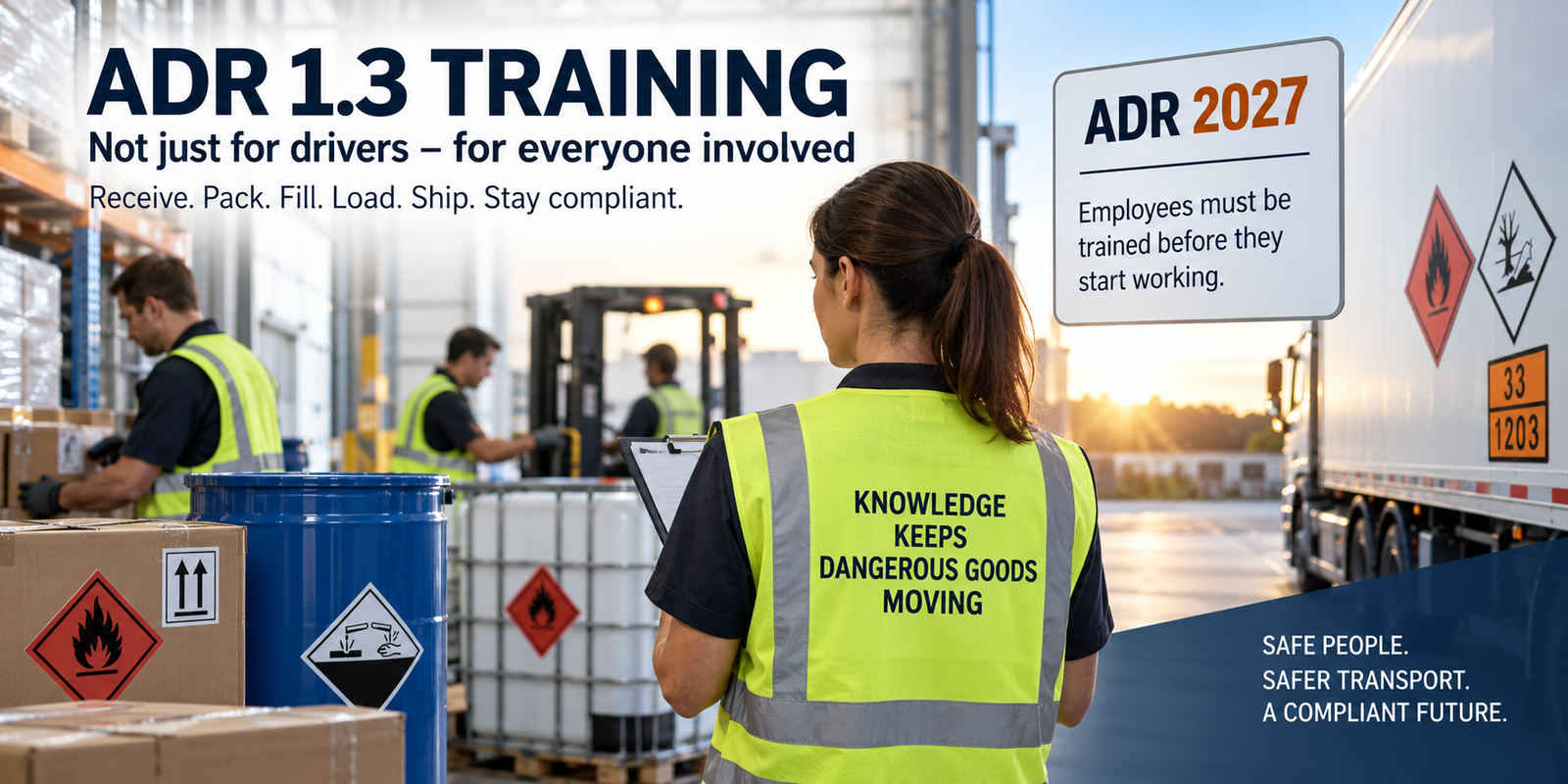
ADR-online.eu proudly announces the launch of its groundbreaking ADR Awareness 1.3 Course platform, a comprehensive e-learning solution designed to enhance safety in the transportation of dangerous goods across Europe. Available in all European languages, this innovative platform ensures accessibility for professionals at all levels, from warehouse staff to managers, involved in handling dangerous goods by road, sea, or air.

About ADR-online.eu

The ADR Awareness 1.3 Course, compliant with the international ADR regulations (Chapter 1.3 of the ADR Convention), provides essential training on the safe handling, packaging, and transportation of hazardous materials. Tailored for non-driving staff and drivers below ADR load limits, the course covers risks, safety protocols, and regulatory requirements in an engaging format that includes videos, text, and quizzes. Upon completion, participants receive a downloadable certificate valid across the UK and Europe, making it ideal for company inductions and ongoing compliance training.

“Safety in the transport of dangerous goods does not stop at borders. With ADR-Online, we make it possible for people across Europe to meet legal training requirements in their own language,” says Sanne de Vries, sales manager at Safetynet International.

Key features of ADR-Online:

  • Complete ADR Awareness 1.3 course in accordance with international regulations
  • Available in all European languages
  • Suitable for all ADR-related roles under the 1000-point regulation
  • Directly accessible online via www.adr-online.eu
  • Flexible: learn at your own pace, available 24/7

With this launch, Safetynet International aims to lower the barrier for companies and employees to comply with ADR training obligations, thereby further enhancing safety in the transport of dangerous goods across Europe.

About Safetynet International

Safetynet International specializes in safety training and consultancy for transport and logistics. Through innovative learning methods and international availability, the company helps organizations comply with laws and regulations while strengthening their safety culture.


Learn ADR 1.3 in Your Language

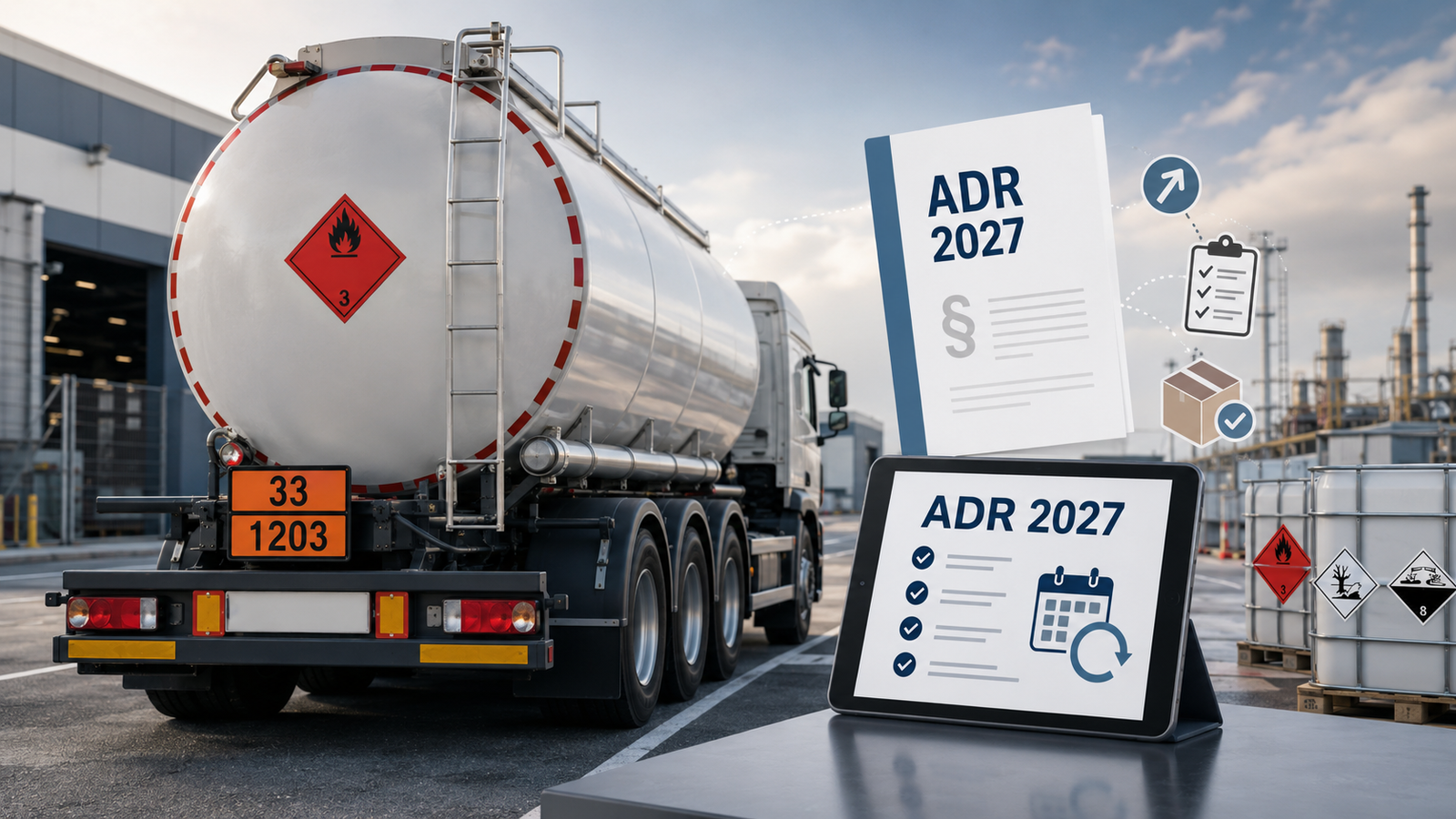
Photo tanktruck

ADR 1.3 refers to the European Agreement concerning the International Carriage of Dangerous Goods by Road, which is a critical framework designed to ensure the safe transport of hazardous materials. This agreement outlines specific regulations and guidelines that govern the classification, packaging, labeling, and documentation of dangerous goods. The primary aim of ADR 1.3 is to minimize risks associated with the transportation of these materials, thereby protecting public safety, the environment, and property.

The regulations are periodically updated to reflect advancements in safety practices and emerging technologies, ensuring that they remain relevant in a rapidly changing world. The scope of ADR 1.3 extends beyond mere compliance; it encompasses a comprehensive approach to risk management. It requires transporters to assess the nature of the goods being transported, implement appropriate safety measures, and ensure that all personnel involved are adequately trained.

This holistic perspective is essential for fostering a culture of safety within the transport industry. By adhering to ADR 1.3 regulations, companies not only comply with legal requirements but also demonstrate their commitment to responsible practices that prioritize safety and environmental stewardship.

Risk Mitigation through Stringent Guidelines

ADR 1.3 provides a structured framework that helps mitigate these risks through stringent guidelines on how to handle, package, and transport dangerous goods safely. By following these regulations, companies can significantly reduce the likelihood of incidents that could result in injury or environmental damage.

Fostering International Cooperation and Standardization

Moreover, ADR 1.3 plays a vital role in fostering international cooperation and standardization in the transport of dangerous goods. As global trade continues to expand, the need for consistent regulations becomes increasingly important.

Enhancing Safety and Facilitating Logistics Operations

ADR 1.3 serves as a benchmark for countries engaged in cross-border transportation, ensuring that all parties adhere to the same safety standards. This uniformity not only enhances safety but also facilitates smoother logistics operations, as companies can navigate international borders with greater confidence when they comply with established regulations.

In today’s fast-paced world, e-learning has emerged as a highly effective method for acquiring knowledge and skills related to ADR 1.3. This mode of education offers flexibility and convenience, allowing individuals to learn at their own pace and on their own schedule. E-learning platforms provide access to a wealth of resources, including interactive modules, videos, and quizzes that enhance understanding and retention of complex regulatory information.

This approach is particularly beneficial for busy professionals in the transport industry who may struggle to find time for traditional classroom training. Additionally, e-learning can be tailored to meet the specific needs of different learners. For instance, courses can be designed to focus on particular aspects of ADR 1.3, such as classification or packaging requirements, enabling participants to concentrate on areas where they require more knowledge or expertise.

The interactive nature of e-learning also fosters engagement and encourages active participation, making the learning experience more enjoyable and effective. As a result, e-learning has become an increasingly popular choice for those seeking to enhance their understanding of ADR 1.3.

One of the most significant advantages of multilingual ADR 1.3 training is its ability to break down language barriers that can hinder effective communication in the transport industry. With professionals from diverse linguistic backgrounds involved in the handling and transportation of dangerous goods, it is crucial that training materials are accessible in multiple languages. This inclusivity ensures that all personnel can fully comprehend the regulations and safety protocols outlined in ADR 1.3, thereby enhancing overall compliance and safety.

Furthermore, multilingual training fosters a more inclusive workplace culture by acknowledging and respecting the linguistic diversity of employees. When training is available in various languages, it empowers individuals from different backgrounds to participate actively in their professional development. This not only boosts morale but also enhances teamwork and collaboration among staff members who may otherwise struggle to communicate effectively due to language differences.

Ultimately, multilingual ADR 1.3 training contributes to a safer and more efficient transport environment.

Accessing ADR 1.3 training in one’s native language has become increasingly feasible thanks to advancements in technology and the proliferation of online learning platforms. Many organizations now offer specialized courses that cater to various languages, ensuring that individuals can receive training that is both relevant and comprehensible. Prospective learners can explore options through industry associations, educational institutions, or dedicated e-learning platforms that provide multilingual support.

In addition to online resources, companies can also consider partnering with training providers who specialize in ADR 1.3 education and offer customized programs tailored to their specific language needs. These partnerships can facilitate on-site training sessions conducted by qualified instructors fluent in the desired language, further enhancing the learning experience for employees. By leveraging these resources, organizations can ensure that their workforce is well-equipped with the knowledge necessary to comply with ADR 1.3 regulations effectively.

Successfully learning ADR 1.3 in one’s language requires a strategic approach that maximizes comprehension and retention of information. One effective tip is to engage with interactive learning materials that incorporate visual aids, such as diagrams and infographics, which can help clarify complex concepts related to dangerous goods transportation. Additionally, participating in discussion forums or study groups with peers who are also learning ADR 1.3 can foster collaborative learning and provide opportunities for individuals to share insights and clarify doubts.

Another valuable strategy is to set specific learning goals and create a structured study plan that outlines key topics within ADR 1.3 to be covered over a designated timeframe. Breaking down the material into manageable sections can make the learning process less overwhelming and more achievable. Furthermore, utilizing practice quizzes or assessments can reinforce knowledge retention and identify areas where further study may be needed.

By adopting these strategies, learners can enhance their understanding of ADR 1.3 while navigating the complexities of language barriers.

ADR 1.3 plays a pivotal role in ensuring the safe transport of dangerous goods by establishing clear guidelines that govern every aspect of handling hazardous materials. From classification and labeling to packaging and documentation, these regulations provide a comprehensive framework designed to minimize risks associated with transporting dangerous goods on roadways. By adhering to these guidelines, transporters can significantly reduce the likelihood of accidents or incidents that could pose threats to public safety or environmental integrity.

Moreover, compliance with ADR 1.3 fosters accountability within the transport industry by requiring companies to implement robust safety management systems and conduct regular training for their personnel. This proactive approach not only enhances safety but also instills a culture of responsibility among employees who are directly involved in handling dangerous goods. As a result, ADR 1.3 serves as a cornerstone for promoting safe practices within the transport sector while safeguarding communities and ecosystems from potential harm.

The influence of ADR 1.3 extends beyond national borders, significantly impacting international trade and transport dynamics. As global commerce continues to expand, adherence to standardized regulations like ADR 1.3 becomes essential for facilitating cross-border transportation of dangerous goods. By providing a common framework for safety practices, ADR 1.3 enables companies engaged in international trade to navigate regulatory requirements with greater ease and confidence.

Furthermore, compliance with ADR 1.3 enhances the reputation of businesses involved in transporting dangerous goods by demonstrating their commitment to safety and environmental responsibility. This positive perception can lead to increased trust among clients and partners, ultimately fostering stronger business relationships and expanding market opportunities. In this way, ADR 1.3 not only contributes to safer transport practices but also plays a crucial role in promoting economic growth through enhanced international trade.

As technology continues to evolve, the future of ADR 1.3 training is poised for significant advancements in both e-learning methodologies and multilingual support systems. Innovations such as virtual reality (VR) simulations may soon become integral components of training programs, allowing learners to engage in realistic scenarios related to dangerous goods transportation without exposing themselves or others to risk. These immersive experiences can enhance understanding and retention while providing practical insights into real-world applications of ADR 1.3 regulations.

Additionally, advancements in artificial intelligence (AI) could further personalize learning experiences by adapting content based on individual progress and comprehension levels. This tailored approach would ensure that learners receive targeted support where needed while maximizing their overall understanding of ADR 1.3 principles. As organizations increasingly recognize the importance of multilingual training options, future developments may also include enhanced translation technologies that facilitate seamless access to training materials across diverse languages.

Despite its critical importance in ensuring safe transport practices, several misconceptions about ADR 1.3 persist within the industry. One common misunderstanding is that compliance with these regulations is solely the responsibility of transport companies; however, it is essential for all stakeholders involved—manufacturers, shippers, drivers—to understand their roles in maintaining safety standards throughout the supply chain. Overcoming this misconception requires comprehensive education efforts aimed at raising awareness about shared responsibilities among all parties involved in transporting dangerous goods.

Another prevalent myth is that ADR 1.3 regulations are overly complex and difficult to navigate; while they do encompass detailed guidelines, many resources are available to simplify understanding and implementation processes for businesses seeking compliance assistance. Training programs tailored specifically for different roles within organizations can demystify these regulations by breaking them down into manageable components while providing practical examples relevant to participants’ daily operations.

In an ever-evolving landscape characterized by new technologies and regulatory updates, continued education and training in ADR 1.3 are paramount for professionals within the transport industry. Regularly updating knowledge ensures that individuals remain informed about changes in regulations as well as best practices related to handling dangerous goods safely—ultimately contributing to enhanced workplace safety standards across organizations. Moreover, ongoing training fosters professional development opportunities for employees while reinforcing their commitment to safety within their roles—an essential factor when dealing with hazardous materials where even minor oversights can have severe consequences for public health or environmental integrity alike!

By prioritizing continued education initiatives focused on ADR 1 .3 compliance , organizations not only protect their workforce but also cultivate a culture centered around accountability , responsibility ,and excellence within the transport sector .

If you are interested in learning more about ADR 1.3 in your language, you may also want to check out the article on how to create an account on the ADR Online platform. This article provides step-by-step instructions on how to set up your account and access all the resources available to you. You can find more information on this topic by visiting https://beige-armadillo-776895.hostingersite.com/my-account/.

Categories ADR